Entry · Ref M36RMRFD
The Ultimate Roof Repairs Maintenance Calendar
- Posted
- 2026-10-08
- Last amended
- 2026-10-08
- Account
- @mylesvpmw685
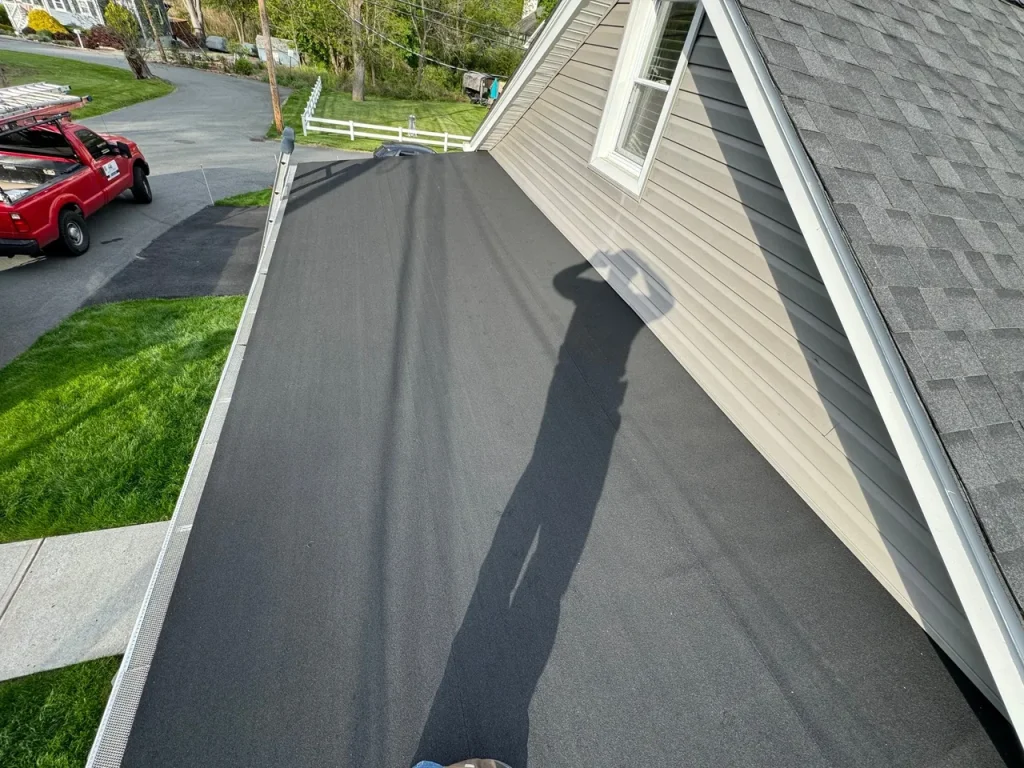

A roof rarely fails all at once. More often, it gives small warnings for months, sometimes years, before the first bucket appears in the attic or the stain spreads across the ceiling. The problem is that most property owners do not see those warnings when they happen. They notice the damage after a storm, after a leak, or after a contractor points out what could have been handled earlier for a fraction of the cost.
That is why a maintenance calendar matters. Roof Repairs are rarely cheapest when they are urgent. They are cheapest when they are planned, timed to the season, and handled before water, heat, wind, and neglect compound the problem. A missing shingle in spring may Roof Repairs be a minor patch. That same opening, left through summer heat and autumn rain, can mean wet insulation, stained drywall, mold growth, and decking replacement by winter.
A practical roof calendar does not need to be complicated. It needs to match how roofs actually age in the field. Materials expand and contract. Sealants dry out. Gutters clog when nearby trees drop their debris. Flashing opens at joints that looked perfectly sound twelve months earlier. The calendar below is built around those real patterns, the kind that show up on ordinary houses and small commercial buildings year after year.
Start with the roof you actually have
Before setting dates, it helps to be honest about the roof over your head. A ten-year-old architectural shingle roof in a mild climate has a very different maintenance profile from a twenty-five-year-old low-slope membrane roof in a region with heavy snow, wind, or intense sun. Metal roofs tend to resist some of the issues that wear out asphalt systems, but they have their own weak points around fasteners, penetrations, and movement at seams. Tile and slate can last for decades, yet one cracked piece in the wrong place can still channel water exactly where you do not want it.
Age matters, but surrounding conditions matter just as much. A roof under mature oaks will need more gutter attention than the same roof on an open lot. A coastal roof can look younger than it is from the street while corrosion quietly advances at flashing edges and exposed fasteners. Homes shaded for much of the day often hold moisture longer, which encourages moss and algae. Steep Roof Repairs roofs shed water well but can hide damaged valleys. Low-slope roofs are easier to access, but standing water becomes a bigger concern.
That is why a maintenance calendar should be seasonal, not generic. You are not just scheduling chores. You are matching inspections and small Roof Repairs to the conditions most likely to expose weaknesses.
The late winter check, spotting damage before spring rains
Late winter is when many roof problems first become visible inside the home. Ice, freeze-thaw cycles, and prolonged moisture have had time to work on vulnerable areas. If your climate includes snow, this is often the moment when roof edges, gutters, and attic spaces reveal what the colder months have done.
This is a good time for an interior-first inspection. Walk the attic or top floor on a bright day. Look for darkened roof decking, damp insulation, rusted nail tips, and any signs of light coming through where it should not. Water does not always drip directly below the failure point. It can follow framing, soak insulation, and appear several feet from the actual breach. That is one reason homeowners misjudge leaks so often. They patch the stain instead of fixing the path.
Outside, ground-level observation is usually enough unless conditions are safe and access is easy. Look for bent gutters, ice damage at the eaves, fallen shingles near downspouts, and flashing that appears lifted after winter winds. A little granule loss in asphalt shingles is normal over time, but piles of granules in gutters suggest the roof may be aging faster than expected.
If you own an older property, pay close attention to caulked details around vents, skylights, and wall intersections. Cold weather exposes brittle sealants quickly. I have seen roofs make it through several mild winters without complaint, then fail after one hard freeze because an old bead of sealant finally lost the last of its elasticity.
Spring, the most important inspection window of the year
Spring is when the maintenance calendar earns its keep. The weather is usually cooperative, roofing crews are not yet at peak summer demand, and winter damage has become clear enough to diagnose properly. If there is one seasonal inspection never to skip, it is this one.
Start with drainage. Roofs do not merely need waterproof materials, they need a reliable path for water to leave. Clean gutters and downspouts thoroughly, then test flow with a hose if needed. Water should move freely and discharge away from the foundation. Overflow marks on fascia boards or siding often point to hidden blockages, poor gutter slope, or undersized drainage in areas where two roof sections meet.
Then review the roof field and all transitions. On shingle roofs, spring often reveals tabs lifted by wind, punctures from fallen branches, exposed nail heads, and failing pipe boot flashings. On metal roofs, look for loose fasteners, failed sealant at penetrations, and signs of movement where panels meet trim. On low-slope systems, inspect for punctures, open seams, membrane shrinkage, and low areas where water sits after rainfall.
Spring is also the right time to handle minor Roof Repairs before heat makes materials softer and labor schedules tighter. Replacing a handful of damaged shingles, resealing a flashing edge, resetting a boot, or clearing a blocked drain may not feel urgent, but those are the repairs that prevent the expensive call later.
One practical point that gets missed: document what you find. Take photos, note dates, and track what was repaired. If a leak returns, you want to know whether you are dealing with a new failure or an incomplete fix. Good records also help if you sell the property or file an insurance claim after a storm.
Early summer, fix details before heat magnifies them
Summer changes how roofs behave. Expansion increases, sealants soften, and attic temperatures rise sharply. In many regions, the first major thunderstorms of the year also arrive around this time, combining wind-driven rain with debris impact.
This is an ideal season for corrective work that requires dry conditions. Flashing repairs, vent replacements, chimney counterflashing adjustments, and small deck repairs are generally easier to complete cleanly in stable weather. Contractors can diagnose active leaks more confidently when previous moisture has dried and temporary winter patches are no longer hiding the real problem.
Ventilation deserves attention here, especially in homes where upstairs rooms run hot. Poor attic ventilation does not just affect comfort. It can shorten shingle life, trap moisture, and increase the temperature stress on the roof system. A roof that bakes every afternoon and cools rapidly at night will age differently from one with balanced intake and exhaust. I have walked roofs of similar age on neighboring homes and found one noticeably more brittle than the other simply because attic airflow was inadequate.
Summer is also the season when people schedule exterior improvements such as solar installations, satellite removals, skylight replacements, or new HVAC penetrations. These are all moments when a roof can be either protected or compromised. Any new penetration should be flashed to the roofing standard for that material, not simply sealed and forgotten. Too many leaks begin with another trade cutting into a good roof and relying on caulk as if it were a permanent waterproofing system.
Mid to late summer, watch for heat stress and storm damage
By the middle of summer, patterns become easier to read. You can see where water has been ponding, where sealants are shrinking, and where wind has started to work at edges and ridges. Heat also exposes workmanship problems. A repair that looked neat in cool weather may separate under repeated expansion if the underlying detail was wrong.
After any significant summer storm, do not wait months to inspect. Even if there is no visible leak inside, hail, flying limbs, and wind uplift can start deterioration that only becomes obvious later. On asphalt roofs, hail damage is not always dramatic from the ground. You may see subtle bruising, displaced granules, or impact marks on metal vents and gutters before you notice compromised shingles. On membrane roofs, small punctures from wind-borne debris can sit unnoticed until enough water works below the surface.
This is also the season for trimming overhanging branches. Limbs that barely clear the roof today often scrape during the next windy evening. That abrasion can wear shingles, damage protective coatings, and drop organic debris into valleys where moisture lingers. Branches also provide easy access for rodents and other pests, which can do their own share of damage around eaves and soffits.
Early fall, prepare the roof for its hardest test
A well-timed fall inspection can save a roof from an avoidable winter failure. The goal is simple: enter the wettest or coldest season with drainage clear, flashings secure, and every known weak point addressed.
If your property is surrounded by deciduous trees, do not clean gutters only once and assume the job is done. Early leaf drop and late leaf drop can create two separate blockages. Valleys deserve special attention because they collect both runoff and debris. Even a high-performing roof will struggle if water is forced to slow down and back up in a valley packed with leaves and twigs.
Fall is also a good time to recheck sealants and exposed fasteners. Sealant is not a cure-all, but where a system legitimately depends on it, such as certain flashing laps or counterflashing terminations, it should be intact before cold weather arrives. Fasteners on metal roofs and accessories should be tight, seated properly, and free of obvious corrosion.
For many homeowners, this is the best season to bring in a professional roofer for a preventive review. The ideal roofing contractor does not arrive looking for a full replacement on every property. A good one will separate wear that needs monitoring from defects that need immediate Roof Repairs. That distinction matters. Not every aging roof is failing, and not every leak means replacement is near. Clear judgment is worth paying for.
Late fall, the final pass before winter
Late fall work is less about major repairs and more about final readiness. At this stage, you want the roof free of debris, drainage open, and attic conditions under control. If insulation is compressed or wet from a prior leak, this is the moment to correct it. Wet insulation loses performance and can contribute to ice dam conditions where outside temperatures support them.
Check that soffit vents are not blocked and that attic intake remains open. Many winter roof problems begin with heat escaping into the attic, melting snow unevenly, and allowing water to refreeze at colder edges. Ice dams are often blamed entirely on the weather, but the roof assembly and attic environment usually share responsibility.
One habit I recommend is taking a set of photos from the ground in late fall, especially of ridges, valleys, chimneys, skylights, and roof edges. When a winter storm passes through, you have a recent visual baseline. If something shifts, lifts, or disappears, you are not guessing whether it was already there.
Winter, protect the roof without creating new damage
Winter maintenance is mostly observational, unless a problem becomes urgent. This is not the season for casual foot traffic on most roofs. Slippery surfaces, brittle materials, and concealed weak spots create risk for both people and the roof itself.
What you can do safely is monitor performance. Watch for icicles concentrated in one area, interior condensation, new ceiling staining, or gutters pulling away under weight. After heavy snowfall, know the structural limits of older buildings and use professionals if snow load becomes a concern. Improper snow removal causes a surprising number of avoidable Roof Repairs every year. Aggressive shoveling can strip granules, gouge membranes, crack tiles, and tear flashing.
If you do face an active leak in winter, temporary measures matter. A tarp or emergency patch can prevent interior damage, but it should be treated as exactly that, temporary. Once weather allows, the area needs a proper repair with the surrounding assembly examined for hidden moisture. I have seen many small winter leaks become larger spring repair bills because the stopgap fix held just long enough to encourage delay.
The warning signs that should move your calendar forward
A calendar is useful, but certain symptoms override it. When these show up, the roof goes from routine maintenance to priority assessment.
- water stains on ceilings or upper walls, even if they seem dry
- shingles, tiles, or metal pieces found on the ground after wind
- sagging gutters, detached downspouts, or persistent overflow during rain
- musty odors in attic spaces, especially after storms
- visible daylight in the attic around penetrations or roof edges
Those signs do not always point to catastrophic damage, but they do mean the normal inspection schedule is no longer enough. Waiting to “see if it gets worse” is how minor issues become structural repairs.
Matching maintenance to roofing material
Although the seasonal rhythm stays similar, the focus shifts by material. Asphalt shingles typically demand the most attention to granule loss, lifted tabs, ridge cap wear, and pipe boot condition. On homes around fifteen to twenty years old, the boots and flashings often need attention before the field of shingles is completely spent.
Metal roofs usually reward routine checks at penetrations, clips, exposed fasteners, and dissimilar-metal contact points. Corrosion often begins where trapped moisture and incompatible materials meet, not on the broad open panels people tend to admire from the driveway.
Tile and slate roofs can hide underlayment problems beneath a surface that still looks respectable. A roof can appear durable from above while flashings and waterproof layers below have aged beyond their reliable life. That is why surface appearance alone can be misleading on premium materials.
Low-slope and flat roofs live or die by drainage and seam integrity. Debris, ponding, punctures, and neglected rooftop equipment are the repeat offenders. A technician servicing HVAC equipment can create real roof damage with one careless dropped tool or one habit of stepping in the same unsupported spot.
Budgeting for maintenance instead of emergencies
A smart roof calendar is also a budgeting tool. It turns unpredictable panic spending into planned upkeep. Most homeowners do not need exact annual figures because roof types, home sizes, and labor markets vary widely, but they do need the right categories in mind.
Expect modest recurring costs for cleaning, inspection, and minor sealing or component replacement. Then expect occasional moderate costs for localized Roof Repairs such as flashing replacement, small section re-roofing, vent work, or deck patching. Full replacement belongs in a separate long-term reserve, not in the same mental bucket as maintenance.
The practical advantage of this approach is psychological as much as financial. When people have no maintenance budget, they delay every recommendation because each repair feels like a surprise. When they expect annual roof costs, they make better decisions and usually spend less overall.
When to do it yourself and when to call a roofer
There is nothing wrong with handling simple, safe tasks from the ground or a stable ladder if you are comfortable doing so. Cleaning reachable gutters, photographing visible problem spots, checking the attic for staining, and documenting storm debris are sensible homeowner jobs. Those steps help you catch issues earlier and give contractors better information.
But diagnosis on the roof itself is another matter. Leak tracing is often less intuitive than people assume. The wet spot inside is not the repair location outside. Walking on fragile surfaces can break what was still serviceable. And an inexperienced patch can trap water, void manufacturer guidance, or make later professional work more complicated.
The general rule is simple. If the issue involves penetrations, flashing, steep access, storm damage assessment, or anything more than obvious loose debris, bring in a qualified roofer. Roof Repairs are one of those trades where getting close is not the same as getting it right.
The calendar only works if it becomes a habit
The best maintenance schedule is not the most detailed one. It is the one you will actually follow. A roof does not need constant fussing, but it does need regular attention timed to the realities of weather and wear. Late winter reveals stress. Spring sets the repair agenda. Summer supports corrective work. Fall prepares the roof for the season that tests every weakness.
Handled that way, roofing problems become more manageable. You stop reacting only when water shows up inside. You start catching trouble at the stage where a repair is still straightforward, targeted, and affordable. That shift, from emergency response to steady maintenance, is what keeps roofs lasting closer to their intended service life.
A good roof often looks uneventful from the outside. That is the point. Quiet performance, year after year, usually comes from small decisions made on time.
Royalty Exteriors
151 NJ-10 Suite 103A
Succasunna, NJ 07876, United States
+1 973-333-7234
FAQ About Roof Repairs
Can you fix a roof leak without replacing the whole roof in Succasunna,NJ?
Often, a localized leak can be repaired without replacing the entire roof, depending on its cause and the condition of the surrounding materials. Damaged shingles, flashing, or a roof penetration may need targeted work. Royalty Exteriors offers roof repairs for leaks, storm damage, and shingle issues. An inspection is needed to determine the appropriate scope.
What is considered a minor roof leak?
A leak may be considered minor when the damage is limited to a small area and the surrounding roofing remains sound. A small ceiling stain alone does not establish the extent of the problem because water can travel before becoming visible. Have the source and any concealed damage assessed promptly.
Is it better to repair or replace a leaky roof?
The decision depends on the roof's age, overall condition, leak source, extent of damage, and history of previous repairs. A localized problem on an otherwise serviceable roof may be suitable for repair. Widespread deterioration or recurring leaks may justify considering replacement. Ask for an inspection and a written explanation of the recommended work before deciding.